


Expert Boiler Repair, Maintenance & Installation: Comprehensive Guide to Costs, Services, and Common Issues
A well-maintained boiler delivers reliable heat, lowers energy bills, and reduces safety risks; this guide covers boiler repair, maintenance, and new boiler installation so you can make informed decisions about service and upgrades. You will learn typical cost ranges for repairs and installations, how to find and vet local boiler service providers, common failure modes and early warning signs, plus a practical maintenance schedule to extend system life. Safety, efficiency, and long-term cost control are the guiding principles: understanding when to repair, when to replace, and how routine servicing prevents emergency breakdowns. The article maps the full lifecycle of a homeowner’s interaction with boilers — costs, locating trusted technicians, troubleshooting common problems, routine maintenance tasks, and what to expect during a professional installation. Throughout, this guide uses clear diagnostic checks, semantic explanations of component roles (heat exchanger, pressure relief valve, expansion vessel), and actionable lists that make decisions straightforward for any household.
What Are the Typical Costs for Boiler Repair and Installation?
Typical costs for boiler repair and installation range depending on scope: small component repairs are inexpensive, emergency call-outs add premiums, and full system replacement represents the highest upfront investment but often yields long-term savings. Pricing reflects parts, labour, complexity of the system, and whether additional pipework, flue modifications, or permits are needed. Clear cost expectations help homeowners weigh repair versus replacement and plan for efficiency upgrades that reduce running costs over time. Below is a concise cost comparison of common services to help target search queries for boiler repair, boiler installation cost, and emergency boiler repair cost.
This table summarizes typical services and expected price bands.
| Service Type | Typical Cost Range | What’s Included |
|---|---|---|
| Minor repair (valve, sensor, small part) | $150–$500 | Labour for single-issue fix and small part replacement |
| Major repair (pump, heat exchanger repair) | $500–$1,500 | Parts, extended labour, diagnostic checks and testing |
| New boiler installation (basic swap) | $2,000–$5,000+ | New unit, labour, basic pipework, commissioning and safety checks |
This comparison highlights that minor repairs often cost a small fraction of replacement, while major failures or older boilers push the economics toward installation. Understanding these ranges prepares homeowners for emergency scenarios and planned upgrades.
How Much Does Emergency Boiler Repair Usually Cost?
Emergency boiler repair typically includes a call-out fee plus higher hourly labour and immediate parts costs, which can increase total expense compared with planned servicing. A common structure is a fixed emergency call-out charge followed by higher labour rates and any immediate parts replaced, making typical emergency jobs fall into the range outlined above depending on severity. Frequent emergency issues include leaks, loss of pressure, or burner failures; each has a different cost profile and different thresholds where replacement becomes more economical than repair. When facing an emergency, compare the estimated repair cost to the age and efficiency of the boiler to decide whether to repair now and plan replacement later, or proceed with full replacement when repair costs approach half the installation price.
This guidance helps homeowners prepare and prioritizes safety and cost-effectiveness when making urgent decisions.
What Factors Influence New Boiler Installation Costs?
New boiler installation cost depends on the boiler model and efficiency rating, the complexity of the existing system, required pipework modifications, flue changes, and any necessary upgrades to controls or safety devices. High-efficiency condensing boilers and combi models commonly command higher unit prices but deliver lower running costs and space savings, influencing long-term ROI. Site access, removal of the old unit, and additional services such as power flushing or replacing radiators will raise total costs. When planning an installation, obtain detailed written estimates that itemize unit cost, labour, and any ancillary works so you can compare options effectively and avoid surprises on completion.
These cost drivers determine whether a straightforward swap or a comprehensive system upgrade is the most sensible investment.
How to Find Reliable Boiler Service Near Me?
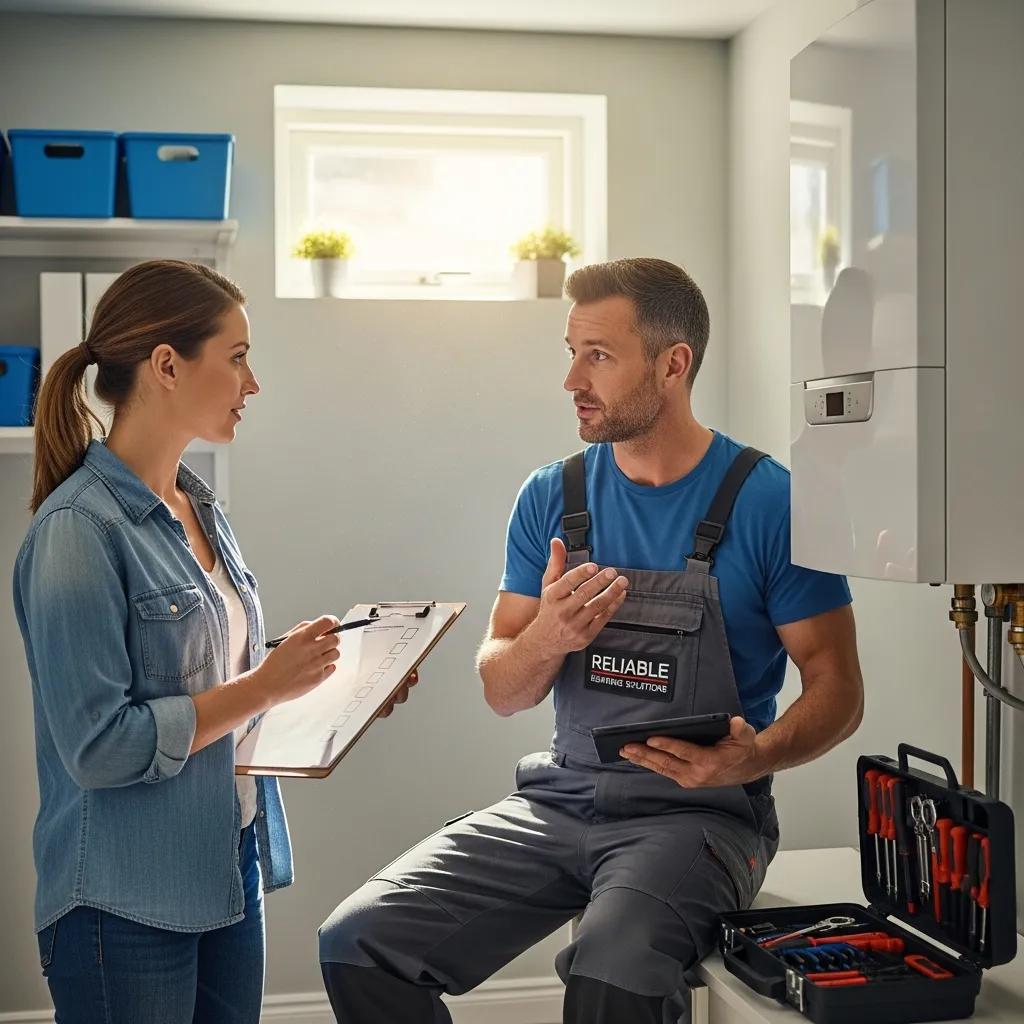
Finding reliable boiler service near me starts with a targeted search and rapid vetting: prioritize local technicians with clear proof of qualifications, insurance, written estimates, and transparent warranty terms. Use review aggregation, ask for references, and check that potential providers explain diagnostic steps and offer clear aftercare. A short checklist below helps focus enquiries and streamline comparisons between providers for boiler service and boiler repair.
When contacting prospective technicians, use this checklist for quick vetting.
- Ask for a written estimate that breaks down labour and parts before work begins.
- Confirm the technician carries liability insurance and provides a service guarantee.
- Request a clear description of the diagnostic process and the expected timeline.
- Check multiple reviews across platforms and ask for recent references.
- Verify any promised completion times and written safety checks after service.
These shortlist items help narrow credible options quickly; after an initial shortlist, request references and a sample service report to compare professionalism and thoroughness.
What Should You Look for in a Professional Boiler Technician?
A professional boiler technician should provide verifiable proof of qualifications, carry appropriate insurance, and deliver transparent written quotes with clear warranty and aftercare policies. Experience with the specific boiler type (combi, condensing, system boilers) matters because component layouts and commissioning steps differ by model and manufacturer. Good communication, a documented safety checklist, and a willingness to explain issues in plain language indicate reliability and support long-term service relationships. Insist on written estimates, defined timelines, and a clear description of the warranty terms before authorizing work to avoid ambiguous post-service obligations.
These vetting points lead naturally into how to verify credentials and interpret reviews for reliable selection.
How to Verify Boiler Service Credentials and Reviews?
Verifying boiler service credentials means cross-checking online reviews, requesting references or before/after photos, and confirming trade body registration or licensing where applicable; these actions reduce the risk of hiring poorly qualified technicians. Look for consistent, detailed reviews that describe scope of work and outcomes rather than generic praise, and ask providers for recent service reports or customer references to validate claims. When interpreting reviews, prioritize detailed accounts of punctuality, cleanliness, adherence to quotes, and clarity of communication. For higher confidence, ask technicians to explain the safety checks they will perform and to leave written records after completion.
This verification process ensures technicians meet both competence and professionalism standards before you commit to service.
What Are the Most Common Boiler Problems and How to Identify Them?
Common boiler problems include no heat or hot water, visible leaks, pressure loss, unusual noises, and frequent cycling, each with identifiable symptoms and possible causes that inform next steps. Early identification of these symptoms allows simple DIY checks or timely professional diagnosis to prevent escalations. The list below pairs symptoms with brief likely causes to provide quick triage for homeowners dealing with heating system issues.
Here are the most common boiler symptoms and likely causes:
- No heat or hot water: This often indicates a failed pump, thermostat issue, or ignition problem.
- Visible leaks: Leaks commonly stem from corroded pipes, faulty pressure relief valves, or loose joints.
- Low pressure on gauge: Loss of pressure typically relates to a leak or a failing expansion vessel.
- Strange banging or kettling noises: These sounds often result from scale buildup in the heat exchanger or trapped air.
- Frequent on/off cycling: Rapid cycling suggests thermostat faults, incorrect system pressure, or a failing pump.
This symptom-to-cause mapping enables homeowners to perform safe initial checks before engaging a professional for diagnosis and repair.
How to Recognize Signs of Boiler Malfunction Early?
Early-warning signs of boiler malfunction include deviations in pressure, unusual noises, slow or uneven heating, and any signs of water around boiler fittings; these signs signal a need for inspection to avoid major failures. Simple homeowner checks — verifying pressure gauge, listening for unusual sounds during operation, and inspecting visible pipework and condensate outlets — can catch issues early. If a low-pressure reading returns after repressurizing or if banging noises persist after bleeding radiators, arrange a professional inspection promptly to avoid heat exchanger damage or system-wide corrosion. Early detection and intervention often reduce repair costs and extend the useful life of the boiler.
Recognizing these early indicators leads directly to understanding the typical root causes of more serious failures.
What Are Typical Causes of Boiler Failures?
Typical causes of boiler failures include corrosion and scale buildup in the heat exchanger, wear of moving components such as pumps and valves, faulty thermostats or controls, and inadequate maintenance that allows small issues to escalate. Hard water increases scale formation, reducing heat transfer efficiency and causing overheating or kettling, while corrosion weakens metal components and creates leaks. Mechanical wear or blocked condensate pipes can produce pressure anomalies and interrupt safe operation. Preventive maintenance and prompt attention to small faults significantly reduce the likelihood of full component failures.
Understanding root causes clarifies why a consistent maintenance plan is critical for optimal performance and longevity.
How to Maintain Your Boiler for Optimal Performance and Longevity?
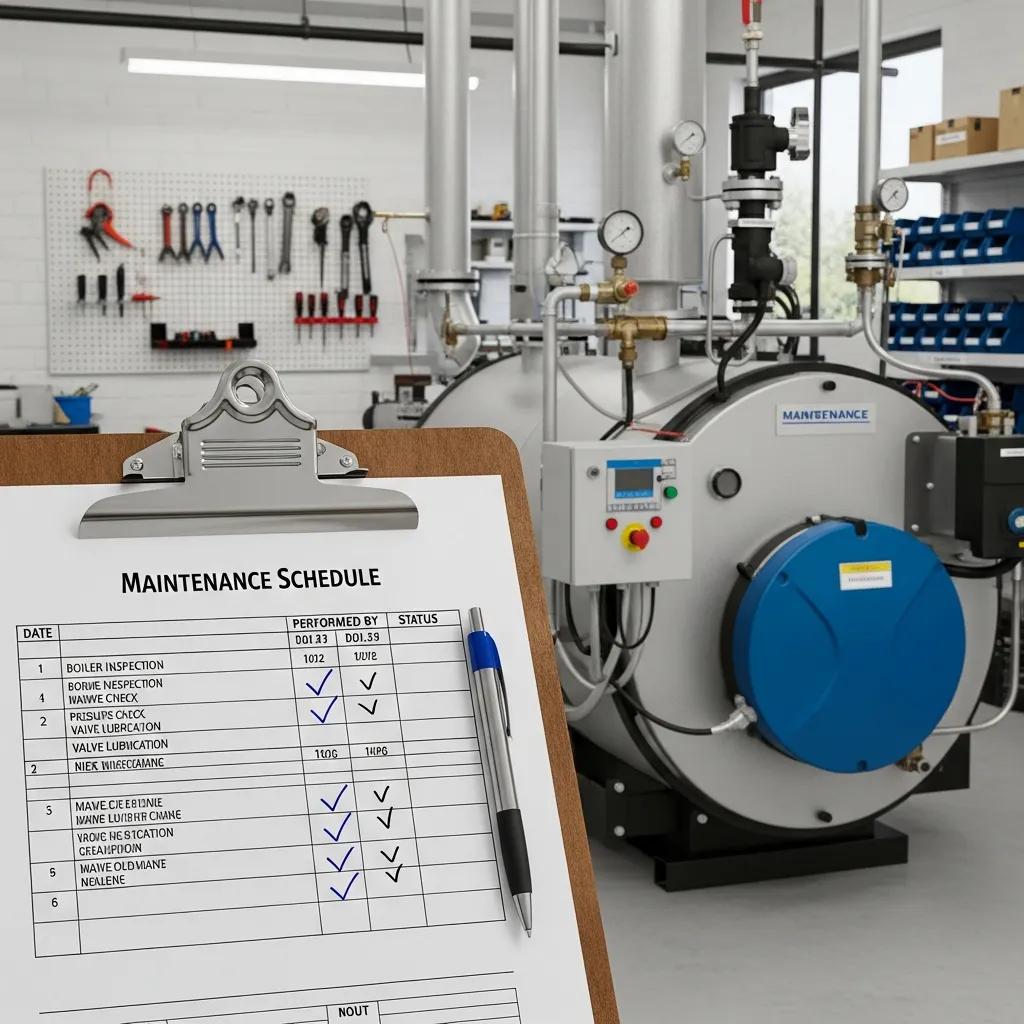
Maintenance for optimal boiler performance combines regular homeowner checks, annual professional servicing, and periodic system treatments that protect components and preserve efficiency. A simple, repeatable schedule helps homeowners prioritize actions and ensures technicians can perform thorough inspections during service visits. The table below provides a maintenance schedule with tasks, recommended frequency, and the practical benefits each action delivers to system reliability and energy efficiency.
The following maintenance schedule outlines key tasks and benefits.
| Maintenance Task | Frequency | Benefit/Impact |
|---|---|---|
| Annual professional service | Once per year | Ensures safety checks, combustion efficiency, and early fault detection |
| Bleed radiators and check pressure | Every 1–3 months or as needed | Restores even heating and prevents low-pressure operation |
| Inspect condensate pipe and flue visually | Seasonal | Prevents blockages and ensures safe exhaust removal |
| Power flush (if sludged) | As needed (every few years) | Removes sludge to improve heat transfer and system balance |
A consistent maintenance rhythm reduces emergency repairs and supports longer component life while improving energy efficiency across the heating season.
Indeed, the strategic application of preventive maintenance is crucial for ensuring safety and achieving significant cost benefits, as highlighted by research into industrial boiler systems.
Boiler Preventive Maintenance: Strategy, Safety & Cost Benefits
As there are two main maintenance approaches such as reactive maintenance and preventive maintenance, the application of a typical maintenance is definitely based on types of application, safety concern, and cost benefit ratio. If a boiler is down for few days, it may cause huge loss as it interrupts subsequent steps especially in process industries. In this research, the importance of preventive maintenance strategy for steam boilers in Kuwaiti industries has been studied.
Preventive maintenance of boiler: A case of Kuwait industry, MY Ali, 2019
What Are Essential Boiler Maintenance Tasks?
Essential maintenance tasks include annual professional servicing to verify combustion and safety controls, routine bleeding of radiators and pressure checks by the homeowner, and periodic inspection of visible components like the condensate pipe and flue. Homeowners can safely bleed radiators and check the pressure gauge to maintain balance, but tasks such as checking gas connections, inspecting the heat exchanger, or replacing sealed components should remain with qualified technicians. Keep a written log of services and any parts replaced to help technicians diagnose recurring issues and to preserve warranty compliance. Simple homeowner tasks paired with professional annual inspections maintain reliability and reduce unplanned outages.
These routine activities underscore the appropriate split between DIY and professional responsibilities for effective boiler care.
How Often Should You Schedule Boiler Servicing?
As a baseline, schedule boiler servicing once per year to maintain safety, efficiency, and warranty conditions for most modern boilers, with more frequent checks recommended for older systems or high-use installations. Older boilers, units with prior faults, or systems subject to heavy duty cycles may benefit from semi-annual inspections or targeted checks after major repairs to catch emerging issues early. Maintain records of each service visit and any corrective actions to inform future diagnostics and to support resale value. Regular scheduling reduces emergency call-outs and helps plan for eventual replacement when lifecycle costs justify upgrade.
These timing guidelines help homeowners prioritize servicing intervals based on age, usage, and system history.
What to Expect During a Professional Boiler Installation?
A professional boiler installation proceeds through clear stages: pre-install survey and quote, removal of the old unit, installation of the new boiler with any required pipework and flue updates, commissioning and safety checks, and handover with user briefing. Understanding the sequence and responsibilities reduces homeowner anxiety about disruption and clarifies the timeline for delivery and final sign-off. The table below maps installation steps to responsibility and typical time/outcome expectations so homeowners can prepare their property and schedule accordingly.
This table outlines typical installation steps and responsibilities.
| Installation Step | Responsibility (Technician/Homeowner) | Typical Time/Outcome |
|---|---|---|
| Site survey and quote | Technician / Homeowner provides access | 1–2 hours; defines scope and cost |
| Removal of old boiler | Technician | 2–4 hours depending on complexity and access |
| Installation of new unit and pipework | Technician | 4–8 hours for a standard swap; longer for complex rework |
| Commissioning and safety checks | Technician | 1–2 hours; verifies correct operation and issues paperwork |
How Is a New Boiler Installed Step-by-Step?
Professional installation begins with a detailed site survey where a technician assesses system layout, flue suitability, and required modifications; this determines the final quote and schedule. After quote acceptance, technicians remove the old unit, make necessary pipework and flue adjustments, fit the new boiler and any upgraded controls, then commission the system by running safety tests and balancing radiators. The final stage involves a user briefing on controls, documentation of safety checks, and provision of a service record for future reference. Clear communication at each step reduces surprises and ensures the homeowner understands maintenance needs and warranty terms.
Knowing these steps helps homeowners prepare questions and set realistic expectations for the installation day.
What Are the Benefits of Upgrading to a Modern Boiler?
Upgrading to a modern boiler delivers improved energy efficiency, lower running costs, enhanced reliability, and more advanced controls that support better temperature management and comfort. Modern condensing boilers often achieve higher seasonal efficiency ratings, converting more fuel into usable heat and reducing emissions and household energy bills.
Indeed, even small improvements in boiler efficiency, such as optimizing draft, can lead to substantial fuel savings and reduced operational costs.
Improving Boiler Energy Efficiency for Fuel Savings
Excessive draft allows increased volume of air into the boiler furnace. The larger amount of air increases the stack losses and reduces the boiler efficiency. It increases energy efficiency by one to two percent. For very large boilers, efficiency gains of one to two percent can result in significant fuel savings.
Improving energy efficiency of boiler systems, 2012
Newer units also typically come with clearer warranty terms and easier access to replacement parts and diagnostics that reduce downtime. Considering lifecycle costs rather than only upfront price helps homeowners evaluate ROI and select options that align with long-term savings and environmental goals.
This approach aligns with comprehensive analyses that emphasize evaluating the total life-cycle cost of a boiler, encompassing both installation and long-term operational expenses.
Residential Boiler Life-Cycle Cost & Energy Efficiency
DOE’s preferred approach involves comparing the total life-cycle cost (LCC) of owning and operating a furnace or boiler for its expected lifetime. The LCC in this analysis expresses the costs of installing and operating a furnace or boiler for its expected lifetime, discounted to the present.
Life-cycle cost analysis of energy efficiency design options for residential furnaces and boilers, 2006
These benefits illustrate why replacement can be an economically sound decision when repair costs rise or efficiency lags behind current standards.