When to Turn Heating On and Off in the Spring
As spring approaches, fluctuating temperatures can make it tricky to decide when to switch your heating system on or off. It's essential to monitor the weather forecasts, as late cold snaps are not uncommon. If overnight temperatures are expected to drop significantly, keeping the heating on might be prudent to ensure your home remains comfortable.
Additionally, consider your home’s insulation and heat retention capabilities. Well-insulated homes can often maintain warmth longer, allowing you to postpone switching the heating back on. Ultimately, the key is to find a balance that optimizes comfort and energy efficiency during these transitional months.
What Do Hygrometers Measure?
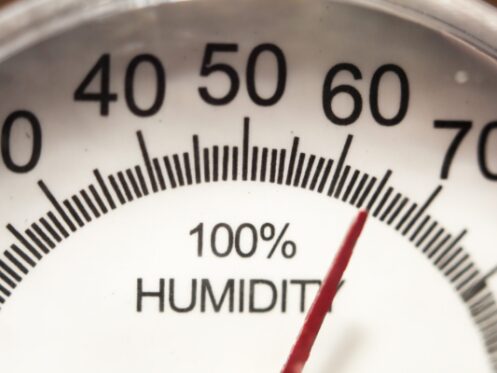
Hygrometers are essential devices used to measure the humidity level in the air. This information is crucial for maintaining a comfortable and healthy indoor environment, as humidity can significantly impact both comfort and health. High humidity levels can lead to mold growth, while low levels can cause skin irritation and respiratory issues, highlighting the importance of regular monitoring.
There are various types of hygrometers, including analog and digital models, each offering unique features for readings. Understanding how to interpret the data these devices provide can help homeowners make informed decisions regarding their HVAC systems, particularly when it comes to dehumidification or humidification needs. By keeping an eye on humidity, you can effectively enhance indoor air quality and comfort levels throughout your home.
Possible Reasons Your Thermostat Is Clicking But Your AC Won’t Turn On
If your thermostat is clicking but your air conditioning system fails to turn on, it can be an indicator of several potential issues. A malfunctioning thermostat could be the culprit; it may not be communicating effectively with your AC unit, leading to operational failures. Another possibility is a problem with the power supply to your air conditioning system, such as tripped breakers or blown fuses, which would prevent the AC from receiving the necessary energy to operate.
Furthermore, it's essential to inspect the wiring connecting the thermostat to the AC unit. Loose or damaged wires can cause intermittent connections, leading to erratic behavior and functionality. Regular maintenance of both your thermostat and HVAC system can help identify and resolve these issues before they lead to more extensive system failures.
5 Ways To Tell You Need a New HVAC Evaporator Coil
Identifying when it's time to replace your HVAC evaporator coil can prevent more extensive damage to your cooling system. One of the first signs that a replacement might be necessary is a decrease in cooling efficiency. If your home feels warmer than usual despite the AC running at full capacity, the evaporator coil could be frozen or leaking refrigerant, both of which indicate that the coil may need to be replaced.
Unexpected increases in your energy bills can also signal the need for a new evaporator coil. As the coil becomes less efficient, your HVAC system works harder to maintain set temperatures, leading to higher energy consumption. Additionally, visible signs of corrosion around the coil or pooling water near the unit are strong indicators that you should contact a professional to evaluate the need for a replacement.
Why Your Furnace Isn’t Kicking on When The Temperature Drops
When winter temperatures plummet, many homeowners expect their furnace to respond accordingly, but there may be times when it doesn't kick on as anticipated. One common reason could be a malfunctioning thermostat that doesn't detect the drop in temperature, causing the system to remain off. Checking the thermostat settings, including ensuring it is switched to 'heat' mode and has fresh batteries, is a good first step in troubleshooting the issue.
Other possible reasons your furnace may not be operating include clogged filters, which restrict airflow and hinder performance, or issues with the pilot light or ignition system. Regular maintenance is crucial to ensure your heating system functions optimally when you need it the most. If the problem persists after checking these factors, it's advisable to contact a professional technician for further inspection and repair.
Why Do Technicians Replace Furnace Oil?
Technicians may recommend replacing furnace oil for several important reasons, primarily related to the efficiency and safety of the heating system. Over time, furnace oil can degrade due to impurities and contaminants that accumulate within the tank. Using clean, high-quality oil ensures optimal combustion and, consequently, better heating performance.
Furthermore, replacing old or contaminated oil can help extend the lifespan of the furnace, preventing issues such as clogs or oil leaks which can lead to costly repairs. Regular maintenance, which includes oil replacement, not only improves efficiency but also contributes to a safer home environment by reducing the risk of incidents related to malfunctioning heating systems. Staying proactive with furnace maintenance is key to ensuring reliable home heating during colder months.
How To Tell if Your Furnace Is Short Cycling
Short cycling occurs when a furnace frequently turns on and off in short intervals instead of completing a full heating cycle. This issue can often be identified by monitoring the operation of your furnace; if you notice it cycling every few minutes, it may be time to investigate further. Short cycling can lead to inconsistent heating and significantly impact energy efficiency, resulting in higher utility costs.
Common causes of short cycling include a malfunctioning thermostat, clogged air filters, or an incorrectly sized furnace that cannot meet the heating demands of your home. Paying attention to these symptoms and scheduling regular maintenance with a qualified technician can help you address short cycling issues promptly. Ensuring your furnace operates efficiently not only creates a comfortable living environment but also aligns with energy-saving practices.







 SPECIALIST TODAY